In the world of maritime operations, it's rarely a single, dramatic mistake that causes damage — it's often a combination of small, overlooked details that accumulate until something goes wrong.
The Accumulation Effect
After more than a decade working as a marine surveyor, I've seen many situations where a minor deviation from standard practice resulted in significant losses or operational delays. A misaligned lifting cable, uneven ground beneath a container, or a skipped visual inspection before discharge — each one may seem harmless in isolation, yet together they can create the perfect conditions for an incident.
A Real Case Study
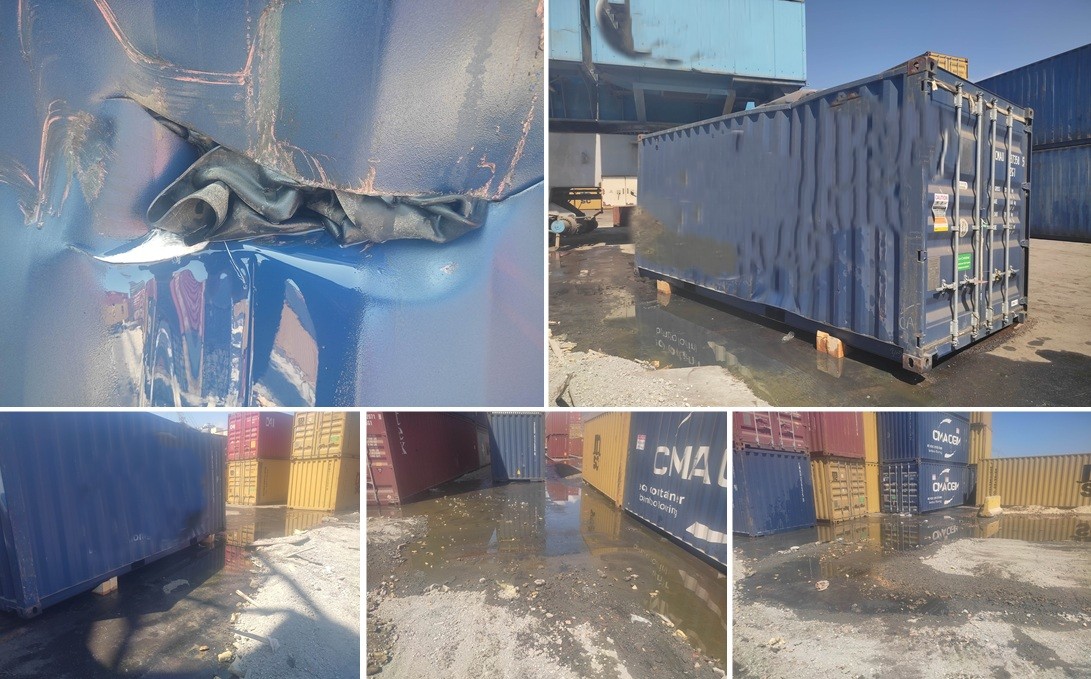
One example that comes to mind is a damaged container fitted with a Flexitank containing industrial oil. The external impact wasn't severe, but because the container had been positioned on uneven ground — tilted just a few degrees — the internal pressure shifted and the Flexitank ruptured. What appeared to be a minor operational issue became a costly spill and an environmental concern.
The Foundation of Safe Operations
These cases highlight a critical truth: good seamanship and good port operations depend on discipline in the details. Proper communication between ship and shore, verification of lifting configurations, control of ground leveling, and adherence to simple pre-discharge checks can prevent most of these accidents.
As surveyors, our role is not only to assess damages but also to help operators understand how they could have been avoided. Each investigation tells a story — one that can guide safer, smarter operations in the future.
In maritime work, prevention is not a luxury — it's part of professionalism.